Four parts of every lock
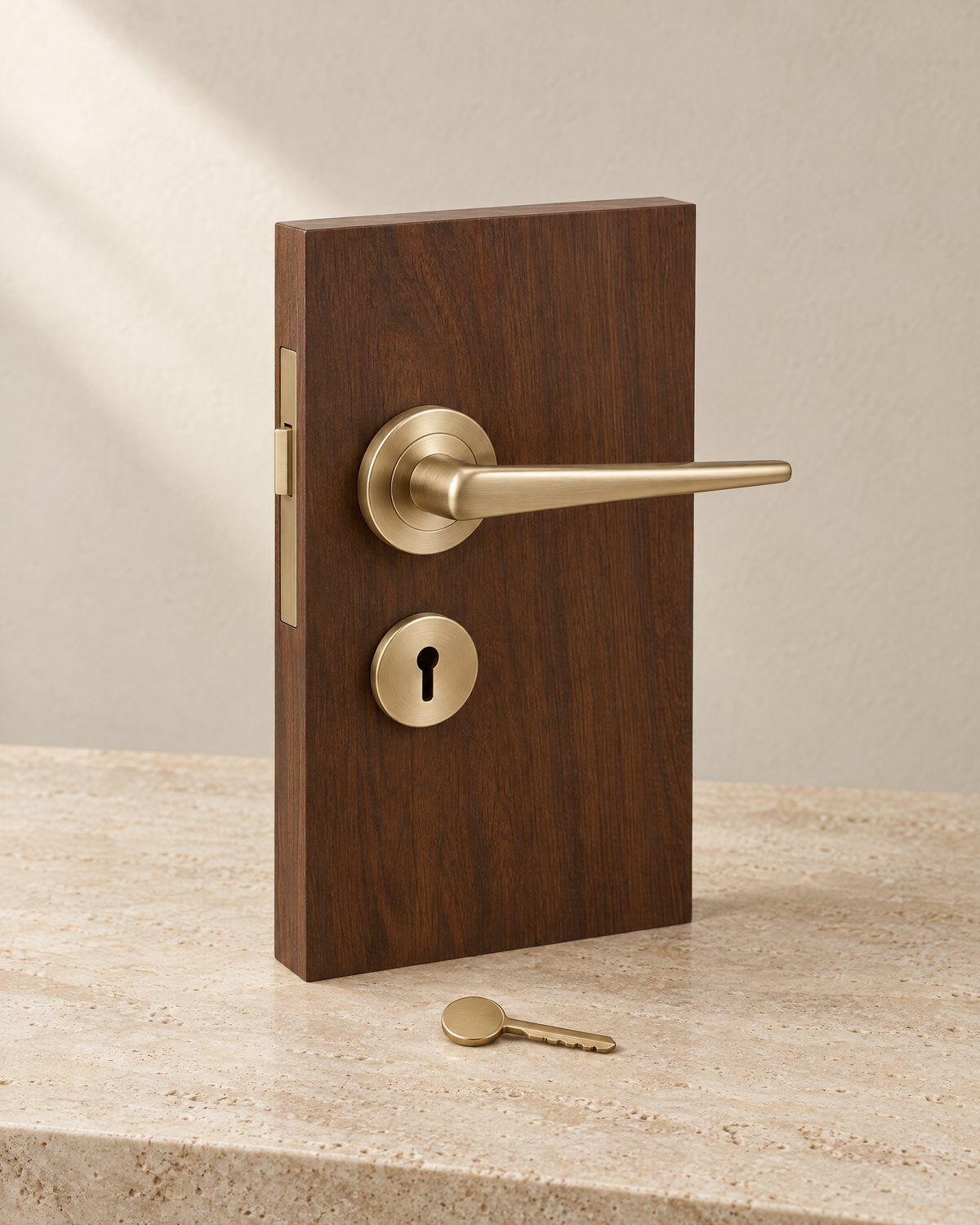
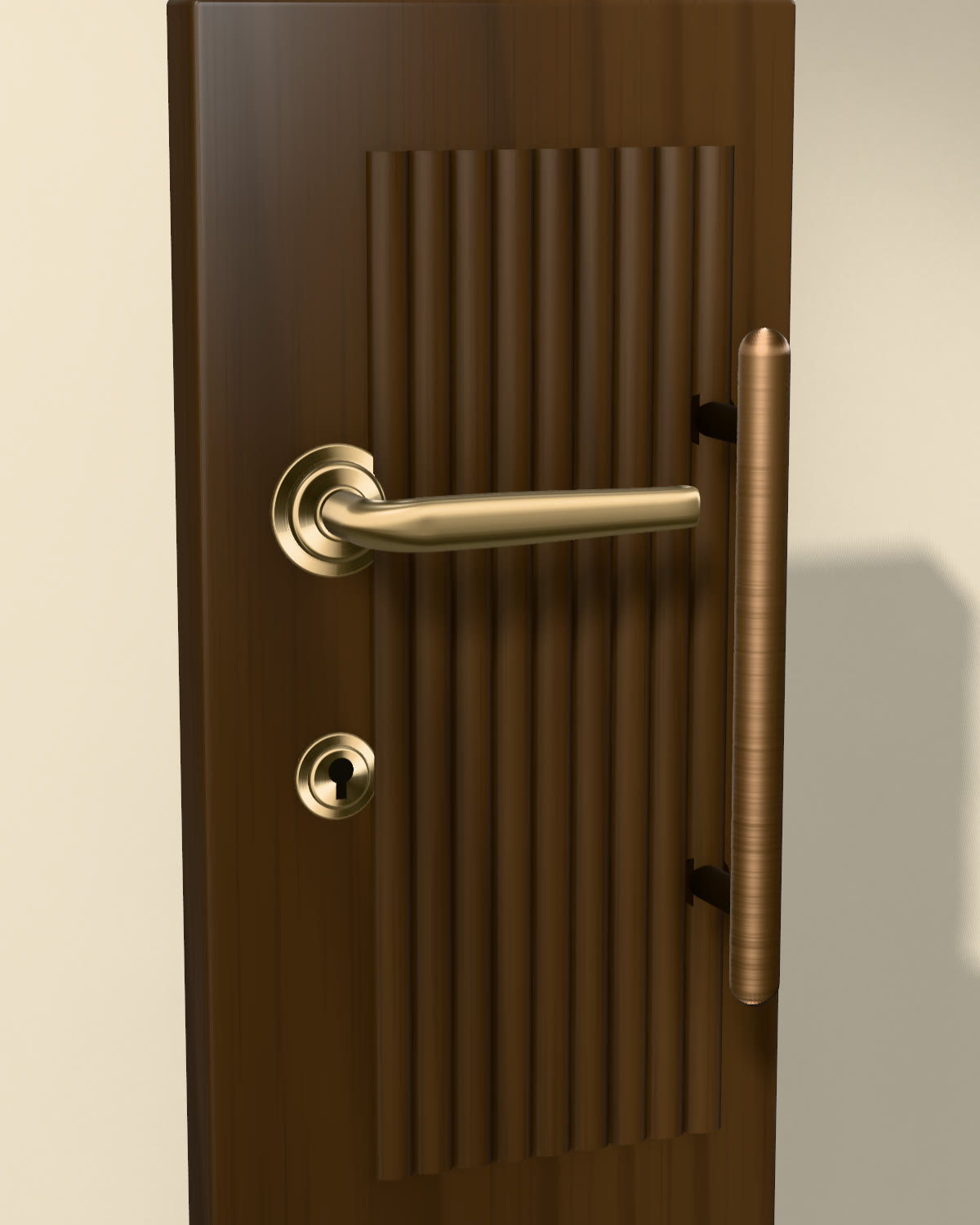
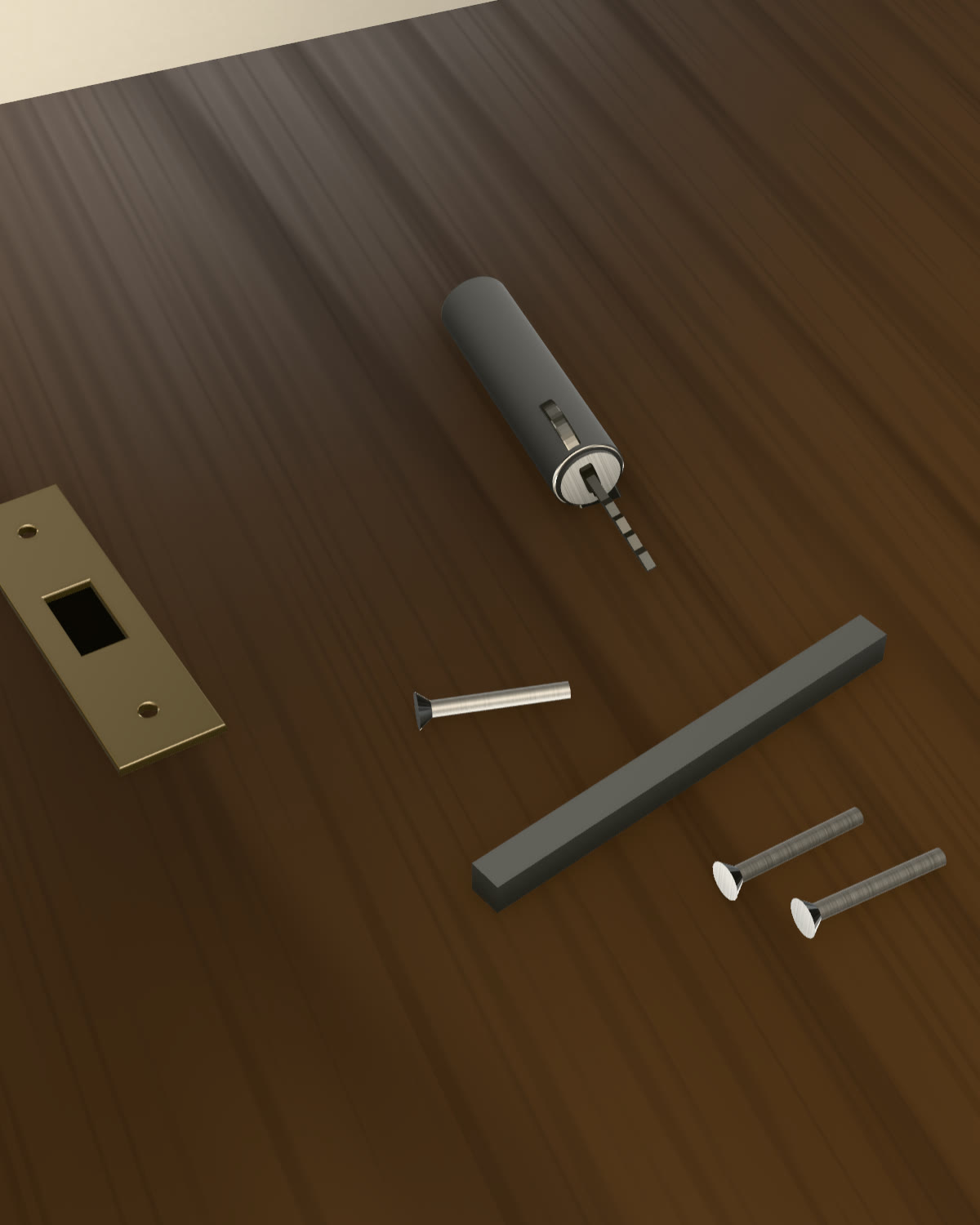
Most door locks are made of the same four parts: a lock body, a key mechanism, the handles that work the latch, and a strike plate on the frame. A good choice matches all four to each other and to the door.
Lock bodies
- Mortise lock: set into a pocket cut in the door edge. Neat, strong and common on wooden doors.
- Rim lock: mounted on the inside face of the door, often as a second lock on a main door.
- Cylindrical or tubular lock: bored through the door, typical on lighter interior doors.
Key mechanisms
Lever locks use a key that lifts a set of levers inside the body. Cylinder locks use a separate, replaceable cylinder. A cylinder can have a key on both sides, or a key outside and a turn inside; manufacturers list these as different configurations, so say which you need.
The measurements that decide fit
- Door thickness. Published lock sets typically quote a range, for example 25 to 45 mm or 28 to 40 mm.
- Backset: the distance from the door edge to the centre of the handle or key hole. Around 48 to 50 mm is common on mortise sets.
- Centre distance between the handle and the key hole, if you are reusing the holes in the door.
- Hand of the door: which side it hinges on and which way it opens.
Match the function to the room
- Main door: a deadlocking lock, often with a second lock or bolt.
- Bedroom or study: a lock or latch with a key.
- Bathroom: a privacy turn inside with an emergency release outside.
- Cupboard: a simple latch.
Bring to the shop
The door thickness, the backset, a photo of the existing lock and its faceplate, and any marking on the lock body. That is usually enough to narrow the choice quickly.
General guidance only. Figures given as typical come from published manufacturer data and standards summaries; always check the specification of the item you buy.